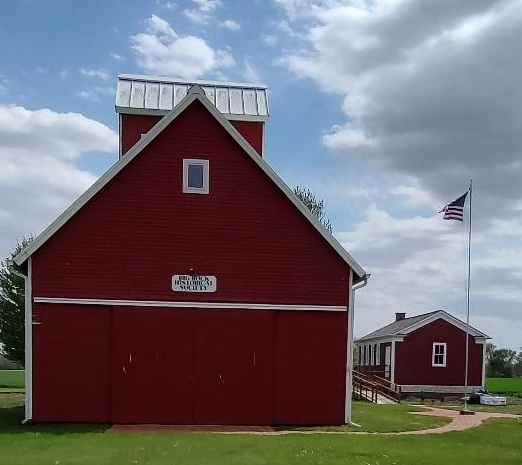
History of The Davis Farm
John Pierce was one of the earliest settlers in Big Rock, arriving in the area in the Spring of 1836 with his wife, Elizabeth, and two children, Mary Ann and Elizabeth. He was born in Rhyl, Wales, in 1804 and moved his family to the area from New York. He purchased 275 acres in section 27 along the Big Rock Creek from the government and built a cabin in the woods near the Big Rock Creek. The property provided all the resources that were needed to be successful. There was water from the creek, trees for lumber to build and to burn for heat, and open land which could readily be prepared for planting.
John was very successful and active in building up the community. He held prayer meetings in his house and was instrumental in establishing the Welsh church in Big Rock. John and his wife had two more children: Edward, the first white boy born in Big Rock Township, and a daughter, Ruth. Elizabeth died in 1840, and John married his second wife, Mary. John’s daughters, Mary Ann and Elizabeth, both died in 1854. Edward married Mary Davis, and much to John’s disappointment, they moved to a farm near Hinckley that Mary’s father had given to her. Ruth married Thomas Morris, and they moved to New York and later to Missouri. They had six children: Mamie, Jennie, Johnie, Margaret, Edward, and George.
When John Pierce died in 1891, he left his farmland to his three Morris granddaughters: Mamie (Seger), Margaret (Davis), and Jennie (Jones). Mamie and Margaret bought out Jennie’s share and made two farms out of the property. The Segers lived on the farm on the west side of the original Pierce homestead until Mamie sold the property in 1946. Margaret’s son, Dwight, and grandson, Harley, continued farming her share on the east side of what is referred to as the Davis farm.
Harley married Marvel Evans in 1947. Harley farmed and raised livestock and served the community in many areas. He served on the Plowing Match board, and the Davis family purchased the property where the Plowing Match is held annually today. Marvel taught school and shared her musical talents with the church and community.
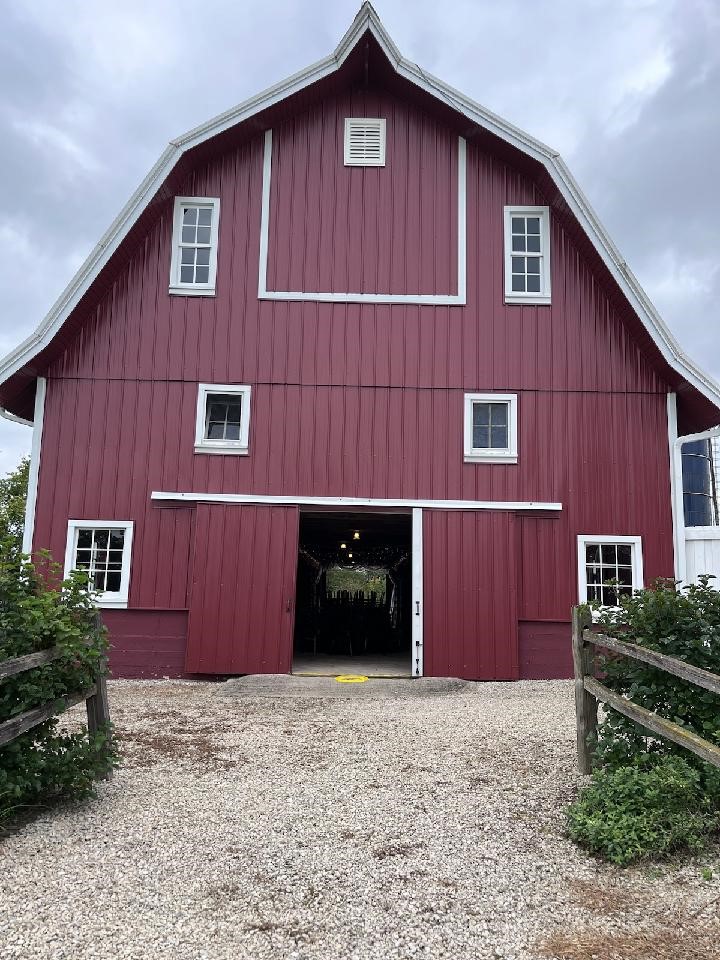
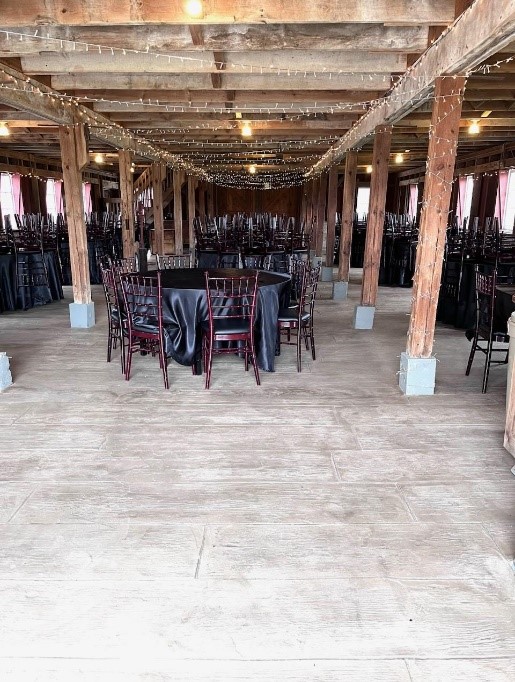
The Davis Farm was a thriving grain and livestock farm. Upon Harley’s death in 1980, Marvel rented out the farmland and ceased raising livestock and storing grain. She was aware of how much of a treasure her historic property was and began her mission to preserve the homestead and land from developers. She refurbished and converted the barns from domestic to public use. Many local community events were hosted, including class reunions, anniversaries, school field trips, Halloween, and birthday parties. A dance floor was installed on the second floor of one of the barns, and the property also became a charming, rustic venue for the community to host weddings.
Marvel became an active advocate for saving farmland. She was a leader in “Stop the Beltway,” a grassroots campaign that, in 2018, officially stopped the proposed Prairie Parkway, a 37-billion-dollar tollway aimed at connecting I-80 and I-88, with a portion running through the Davis farm. The campaign saved thousands of acres of farmland, prevented further damage to the Fox River ecosystem, and helped preserve the area’s small-town lifestyle.
Marvel was also one of the founding members of the Big Rock Historical Society, which was formed in 1995. She donated 3 acres of land across from Plowman’s Park to the Historical Society, and what was believed to be the last corn crib built in Kane County, to house the museum. Part of the land is used for parking for large local events such as the Plowing Match and the annual classic car show. The property is adjacent to the land that the Davis family provided for the annual plowing contests.
As a member of the Big Rock Historical Society board, Marvel was instrumental in establishing a small local library for Big Rock-area residents. In 2001, the English Congregational Church in Big Rock donated a home near the church to the historical society. This home, built in 1907, was moved to the 3-acre site next to the museum and, in 2009, officially opened as the Big Rock Library.
In July 2020, Marvel passed away and donated the Davis Farm, along with nearly 50 additional acres of farmland, to the Historical Society, which makes the land available to the Big Rock Plowing Match each year for its historical plowing competition. It was her desire that the Historical Society carry on her mission to preserve the Davis Farm and rural farming lifestyle of the area so that the community could enjoy.
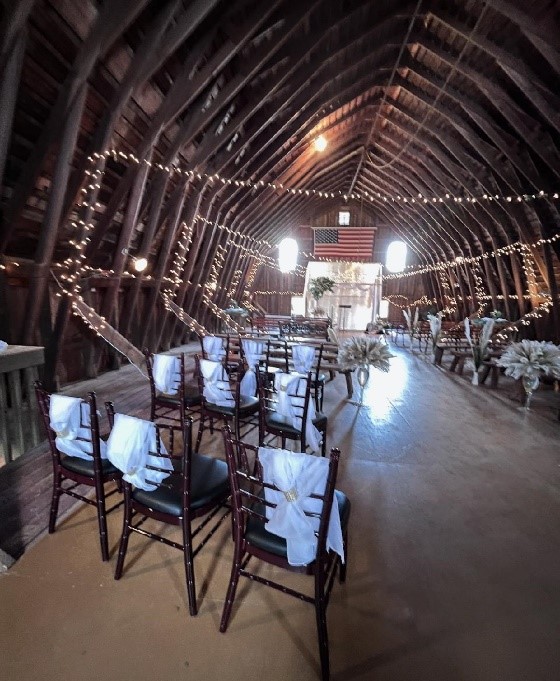
If you are looking for a rustic barn venue to host a local event such as a wedding, graduation party, anniversary, reunion, or special event, you can contact the Big Rock Historical Society for more information by stopping by the museum from 2-4 on Sundays (May – October), emailing Bigrockhistory@gmail.com, or calling and leaving a message at (630) 556-3604.